
Absolutely Everything You Need to Know About EFT Tapping
Emotional Freedom Techniques (EFT), commonly known as tapping, is a therapeutic method that combines elements of psychology, somatic therapy, and acupressure. It is used worldwide to help people work through emotional distress, stress, trauma responses, performance blocks, and even physical symptoms related to stress.

Zoe Collins, EFT Practitioner tapping on the side of the eye point
Over the last two decades, EFT has grown from a niche alternative practice into a technique used by therapists, coaches, and healthcare professionals across many fields.
In this guide, we’ll explore:
What EFT tapping is
Where it comes from
How it works (& how different people use it)
What the science says
What a session looks like
Whether you should try it
What Is EFT Tapping?
EFT is a mind-body technique that involves gently tapping on specific acupressure points on the body while focusing on an emotional issue, memory, or stressor.
During tapping, the person typically:
Identifies a specific issue or emotion
Rates the intensity of the feeling
Taps on a sequence of points on the face and upper body
Focuses on the issue while repeating phrases that acknowledge the emotion
Reassesses the emotional intensity
Although its important to note that when done with a practitioner, the process may differ.
The goal is to reduce the emotional charge associated with the issue so that the nervous system can process it appropriately.
Many practitioners describe EFT as a method that combines:
exposure therapy*
cognitive behavioural elements
somatic stimulation through acupressure points
* N.B. Techniques delivered through EFTi accredited training, including “the movie technique”, allow people to touch on traumatic events, without divulging the details.
What is the Goal of EFT?
The goal of each round of tapping is to reduce the emotional charge associated with the issue so that the nervous system can process it appropriately.
When an event carries a strong emotional charge, the brain and body often react as though the situation is still happening in the present moment. The nervous system becomes activated and the mind shifts into protective patterns such as anxiety, avoidance, overthinking, or emotional overwhelm.
This response is useful when facing genuine danger, but it can become problematic when the brain continues reacting to situations that are no longer threatening. For example, someone might know logically that sending an email, speaking in a meeting, or pursuing an opportunity is safe, yet still experience a strong internal resistance or stress response.
Reducing the emotional charge helps the nervous system distinguish between past experiences and present circumstances. As the intensity of the emotional response decreases, people often find they can think more clearly, respond more flexibly, and engage with situations that previously felt overwhelming.
In practical terms, this means that when the nervous system is calmer, people are more able to take action, communicate effectively, and approach challenges without the same level of internal friction.
Where Did EFT Come From?
EFT was developed in the 1990s by Gary Craig, who adapted an earlier technique called Thought Field Therapy (TFT) created by psychologist Roger Callahan.
Craig simplified Callahan’s approach so that the same sequence of tapping points could be used for many different emotional issues.
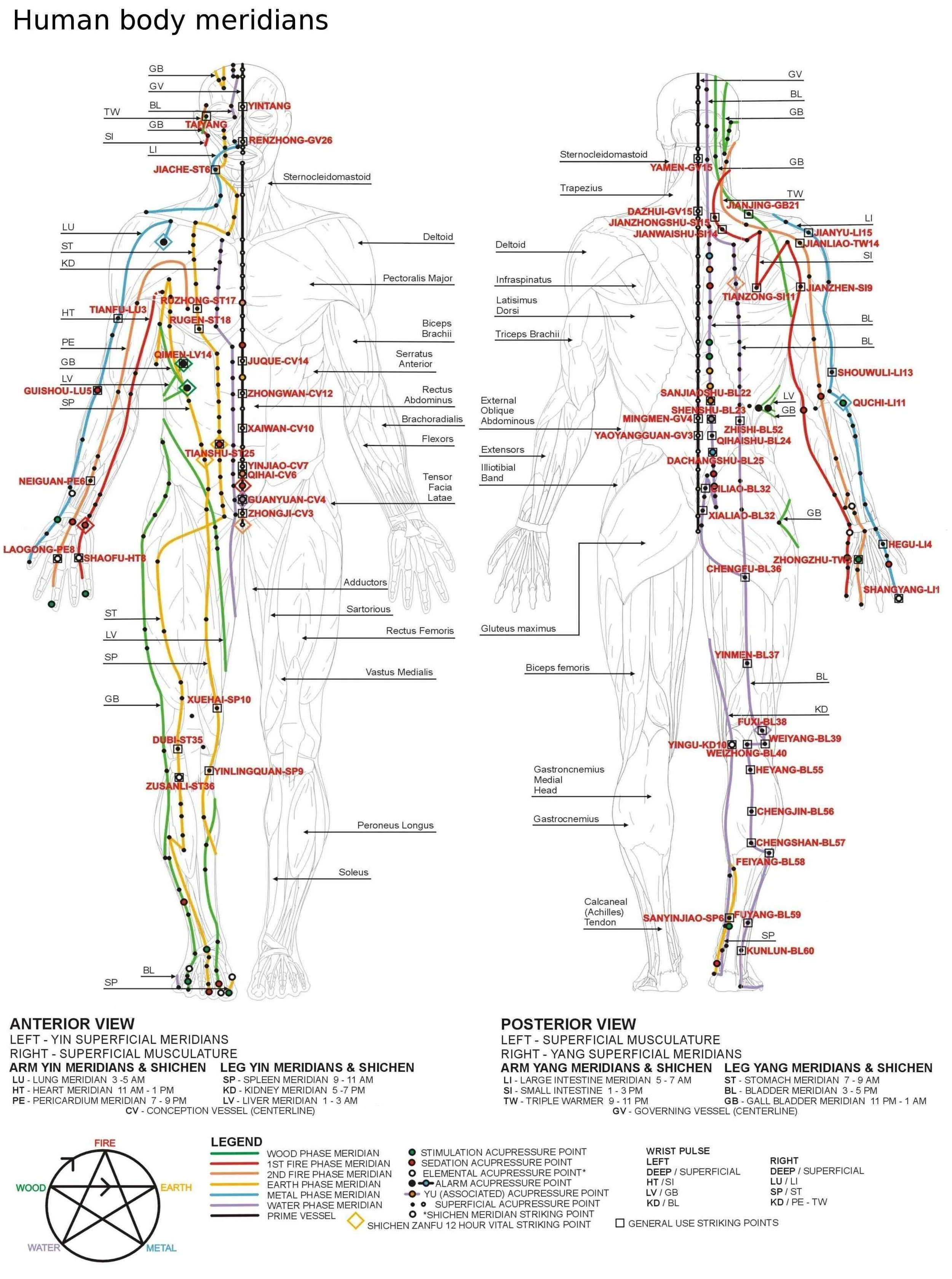
The practice also draws inspiration from traditional Chinese medicine, which proposes that stimulating certain points on the body may influence emotional and physical wellbeing.
Today EFT is used in many contexts, including:
pain management
complimentary health treatments
psychotherapy
coaching
performance psychology
stress management
trauma recovery
How Does EFT Work?
There are several theories about why EFT may be effective. Most explanations focus on three key components.
1. Exposure and emotional processing
EFT asks people to focus on the emotion or memory that is causing distress. These memories are often dismissed or “shrunk” until given the chance to be heard.
This is similar to exposure therapy, a well-established psychological technique that reduces emotional reactivity by allowing the brain to process the experience in a safe environment.
2. Nervous system regulation
While focusing on the issue, the person taps on acupressure points.
Researchers believe this stimulation may send calming signals to the brain and reduce the body’s stress response.
Some studies suggest EFT can reduce physiological stress markers, including cortisol levels.
3. Cognitive reframing
Many tapping sequences include phrases that acknowledge the problem while introducing acceptance or self-compassion.
This process can help people develop new perspectives on stressful experiences, which is a core component of many therapeutic approaches.
What Does the Research Say?
Research into EFT has expanded significantly over the past two decades.
Multiple clinical trials and reviews have explored its effectiveness for psychological and physiological issues.
Evidence from clinical trials
Randomised controlled trials (RCTs) have found EFT to be helpful for conditions such as:
anxiety
depression
post-traumatic stress disorder (PTSD)
phobias
stress and burnout
A meta-analysis examining EFT for depression found large reductions in depressive symptoms across multiple studies.
Other trials have reported improvements in:
chronic pain
insomnia
food cravings
stress markers such as heart rate variability and blood pressure
Research reviews note that more than 100 studies have investigated EFT, including many randomised trials.
Limitations and ongoing debate
Despite promising findings, EFT remains a subject of debate within the scientific community.
Some researchers argue that the proposed mechanism involving energy meridians lacks biological evidence and that the benefits may come from established psychological mechanisms such as exposure and relaxation.
Most researchers agree that further high-quality studies are needed to better understand how EFT works and when it is most effective.
What Happens During an EFT Session?
An EFT session typically lasts between 45 and 90 minutes.
A practitioner usually guides the process through several steps.
1. Identifying the issue
The practitioner helps identify the emotional trigger, memory, or belief that is causing distress.
2. Rating intensity
The client rates the emotional intensity on a scale (often 0–10). In many cases, this data is instead collected by the practitioner through notes on the clients belief system at the time.
3. Tapping sequence
The practitioner guides the client through tapping. The client taps on specific points on the body while repeating phrases related to the issue.
Common tapping points include:
side of the hand
eyebrow
side of the eye
under the eye
collarbone
under the arm
top of the head
Although different practitioners expand upon this, using more of the meridian points (see diagram above).
4. Reassessment
After each round of tapping, the emotional intensity is reassessed.
Many people report that the emotional charge gradually decreases, pain decreases/ moves or a new idea or notion arises.
What Issues Is EFT Used For?
EFT is used for a wide range of emotional and psychological challenges, including:
Emotional health
anxiety
stress
trauma responses
grief
Performance
public speaking anxiety
creative blocks
sports performance
business confidence
Behavioural patterns
procrastination
self-sabotage
limiting beliefs
Physical symptoms linked to stress
tension headaches
chronic pain
fatigue
Because EFT addresses both emotional and physiological responses, it is often described as a mind-body technique.
Can You Do EFT Yourself?
Yes. Many people use EFT as a self-help tool.
There are thousands of guided tapping videos online and many people learn basic tapping sequences for stress relief.
However, working with a trained practitioner can help with:
identifying subconscious patterns
safely working through trauma
addressing deeper emotional issues
bespoke support around goals
Practitioners are trained to guide the process so the client does not become overwhelmed.
Is EFT Safe?
EFT is generally considered low risk and non-invasive.
However, when dealing with trauma or deeply emotional memories, it is recommended to work with a qualified practitioner who understands trauma-informed approaches.
Like many complementary therapies, EFT is often used alongside traditional mental health support, not necessarily as a replacement.
Why EFT Is Becoming More Popular
EFT’s popularity has grown for several reasons.
People often appreciate that it:
is simple to learn
can produce rapid emotional shifts
combines psychological and body-based techniques
can be practiced independently
As interest in mind-body approaches to mental health continues to grow, EFT has become a widely used tool within coaching, therapy, and performance work.
To Summarise (TL;DR)
EFT tapping sits at the intersection of psychology, somatic therapy, and self-regulation techniques.
Research suggests it may be helpful for reducing stress, anxiety, and emotional distress, though debate continues around the mechanisms behind its effects.
For many people, EFT provides a practical way to process emotions, calm the nervous system, and work through patterns that feel difficult to shift through thinking alone.
Whether used independently or with a practitioner, it remains one of the most accessible mind-body tools available today.
Resources & Research References
The following resources were consulted to provide background information on Emotional Freedom Techniques (EFT), its origins, and current research.
Overview and educational resources
• Positive Psychology – Emotional Freedom Techniques (EFT): The Ultimate Guide
https://positivepsychology.com/eft-tapping/
• Association for Comprehensive Energy Psychology – Research on EFT
https://www.energypsych.org/research/
• EFT International – What is EFT Tapping?
https://eftinternational.org/discover-eft-tapping/
Peer-reviewed research
• Church, D., Stapleton, P., et al. (2018). Clinical EFT as an evidence-based practice for the treatment of psychological and physiological conditions.
Psychology Research and Behavior Management.
https://www.ncbi.nlm.nih.gov/pmc/articles/PMC6381429/
• Stapleton, P., et al. (2016). Randomized clinical trial of Emotional Freedom Techniques for depression.
Explore: The Journal of Science and Healing.
https://pubmed.ncbi.nlm.nih.gov/27843054/
• Sebastian, B., et al. (2022). The effect of Emotional Freedom Techniques on stress, anxiety, and depression: A systematic review.
Frontiers in Psychology.
https://www.frontiersin.org/articles/10.3389/fpsyg.2022.951451/full
Related physiological research
• Church, D., Yount, G., & Brooks, A. (2012). The effect of EFT tapping on cortisol levels.
Journal of Nervous and Mental Disease.
• Feinstein, D. (2012). Acupoint stimulation in treating psychological disorders.
Review of General Psychology.
Important note
Research on EFT continues to develop. While many studies suggest promising outcomes for stress, anxiety, trauma responses and performance issues, ongoing research is still exploring the mechanisms behind why EFT may be effective.
This guide is written by Zoe Collins, an accredited EFT practitioner working with clients on emotional regulation, performance blocks and subconscious patterns.
